The Castle
Torricella, Vedeggio Valley, Switzerland
“The Trefogli Castle in Torricella-Taverne: The Story of a Ticinese Cosmopolitan “
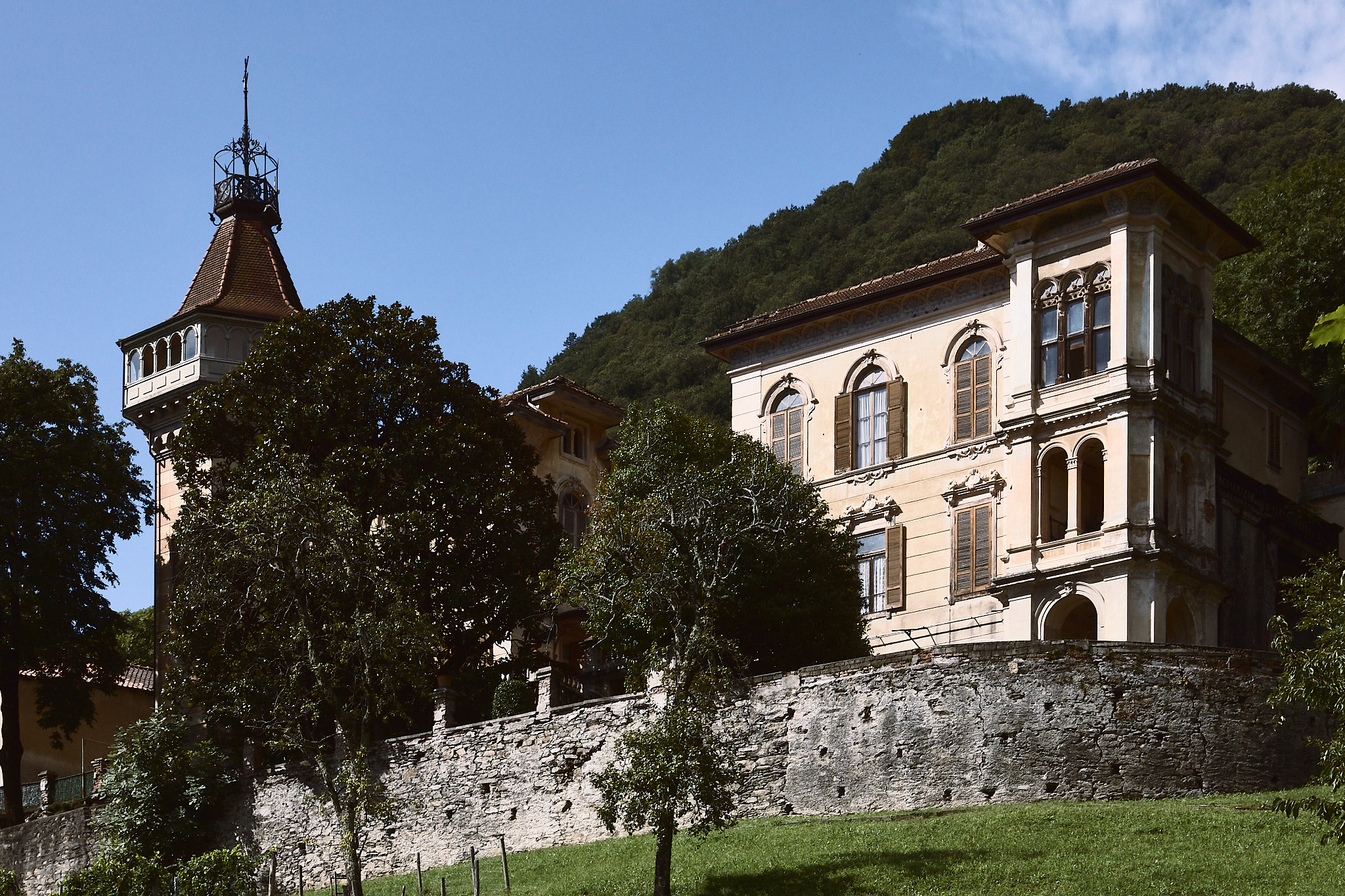
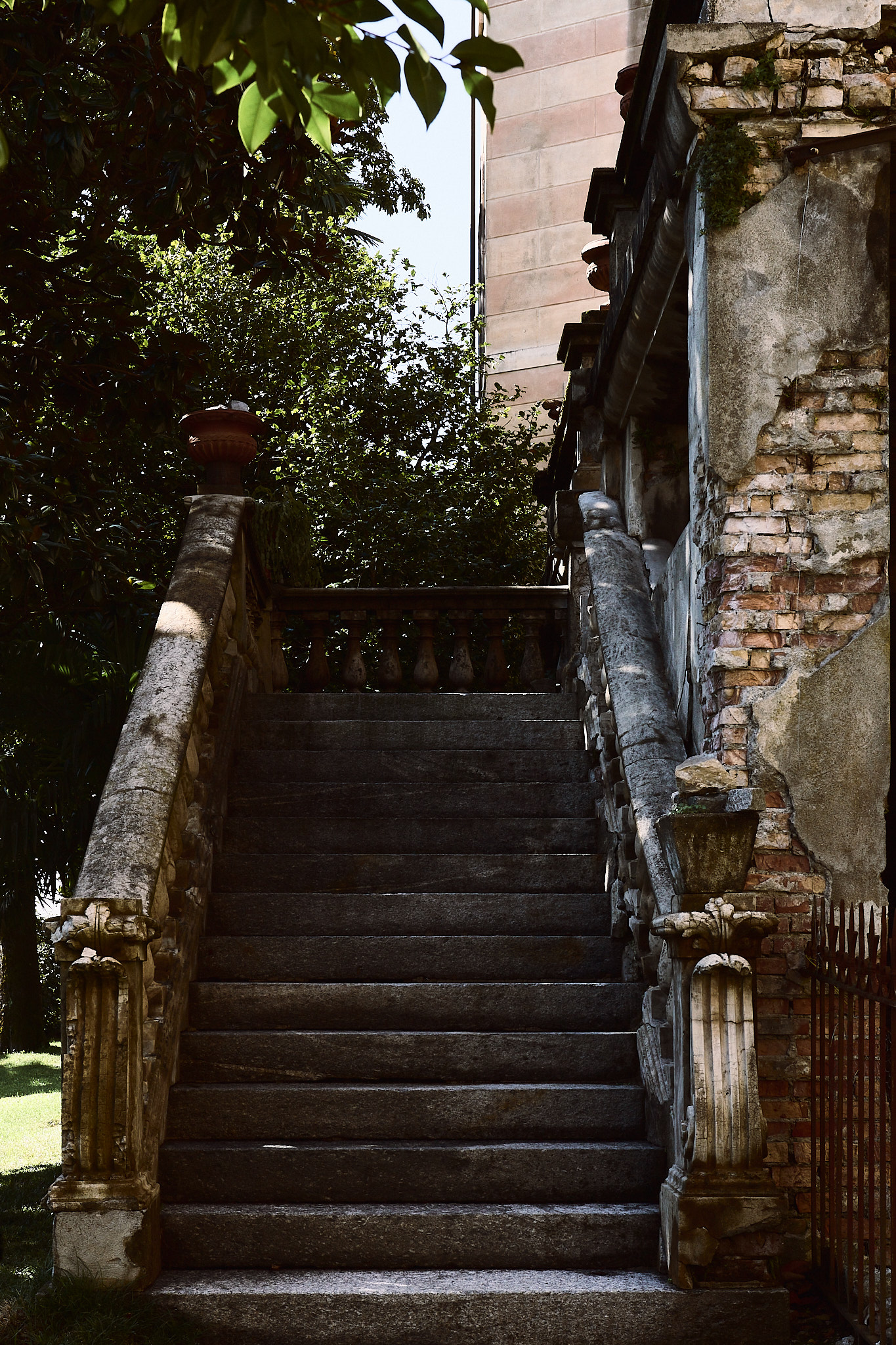
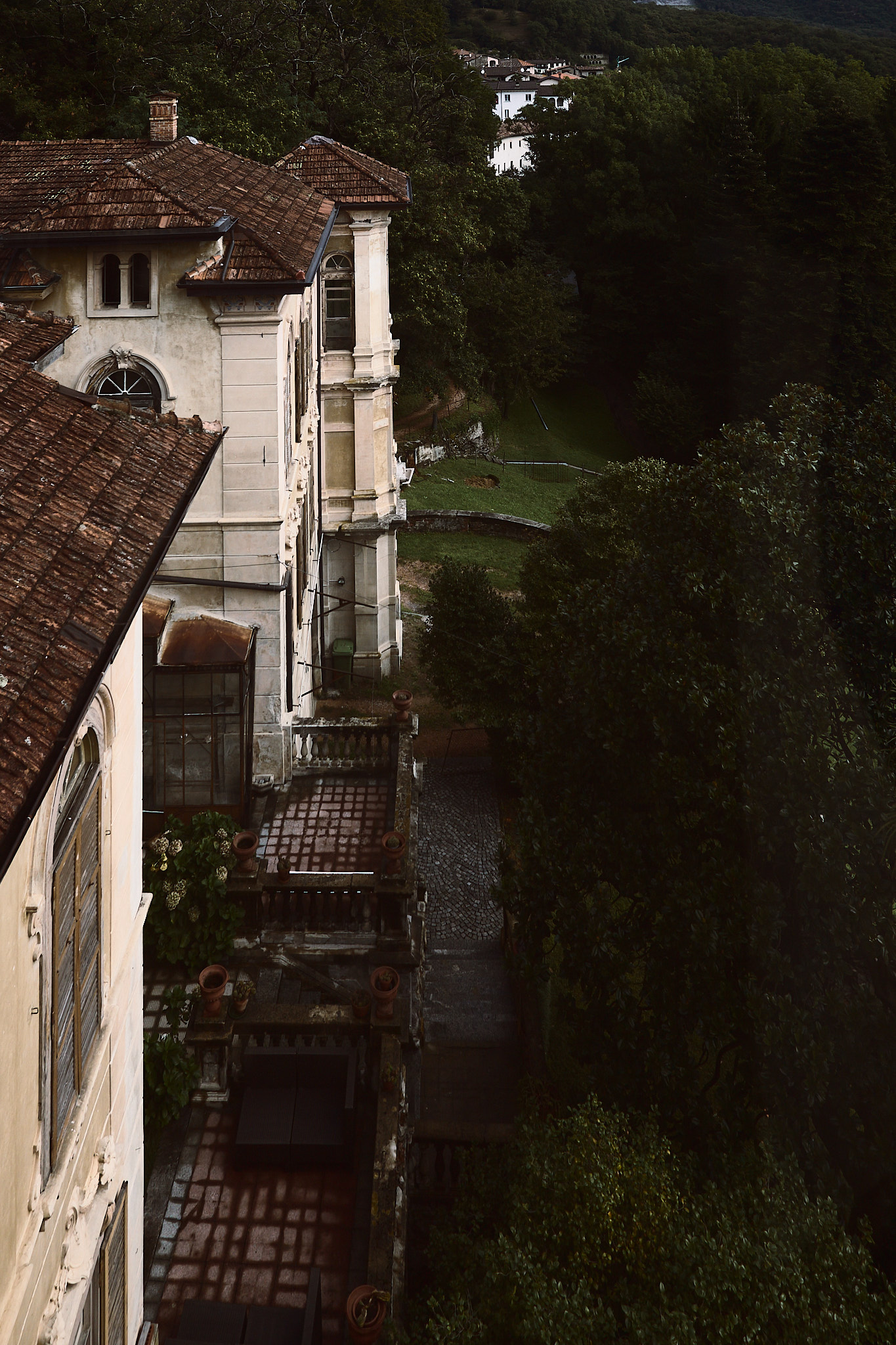
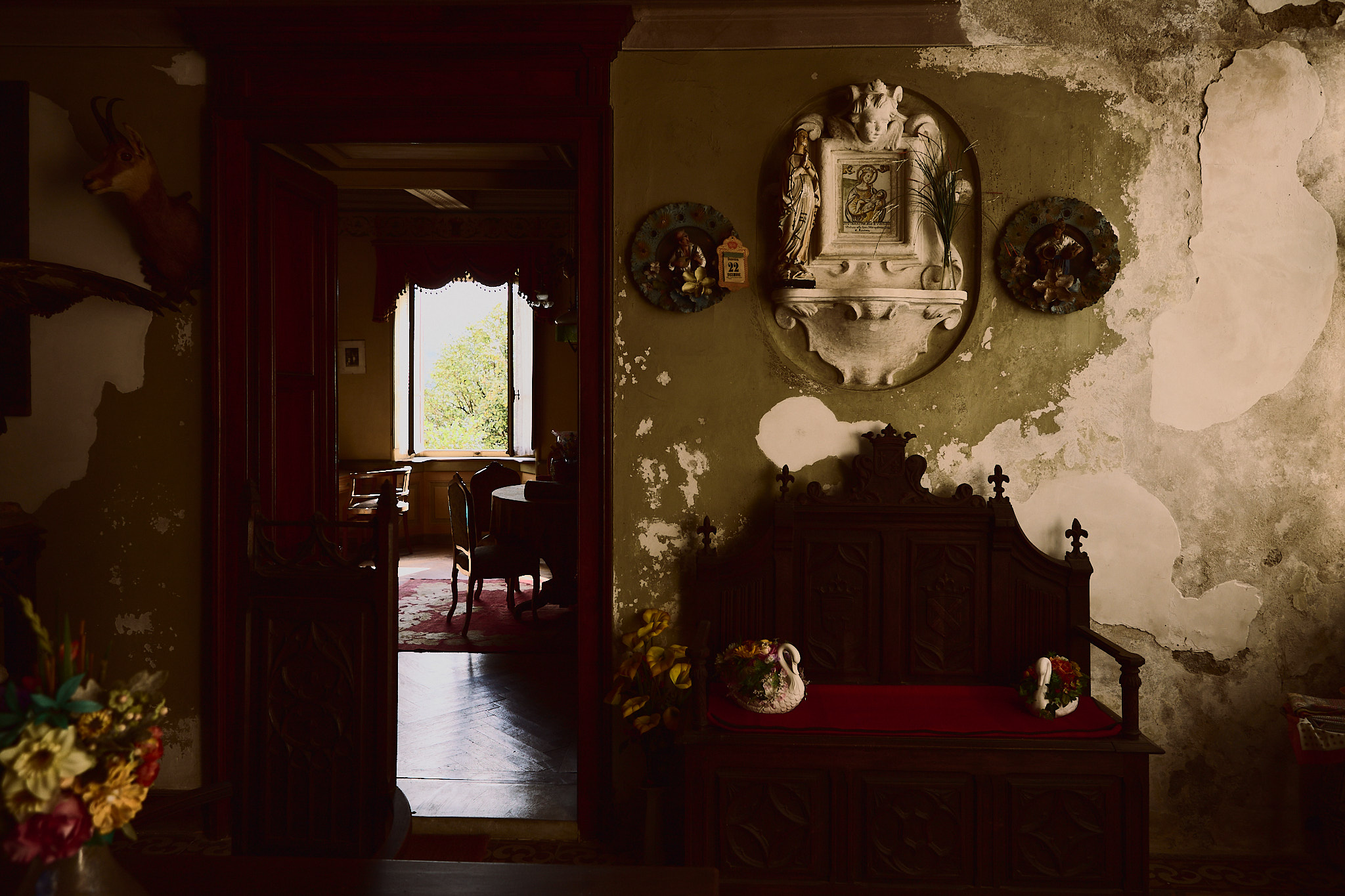
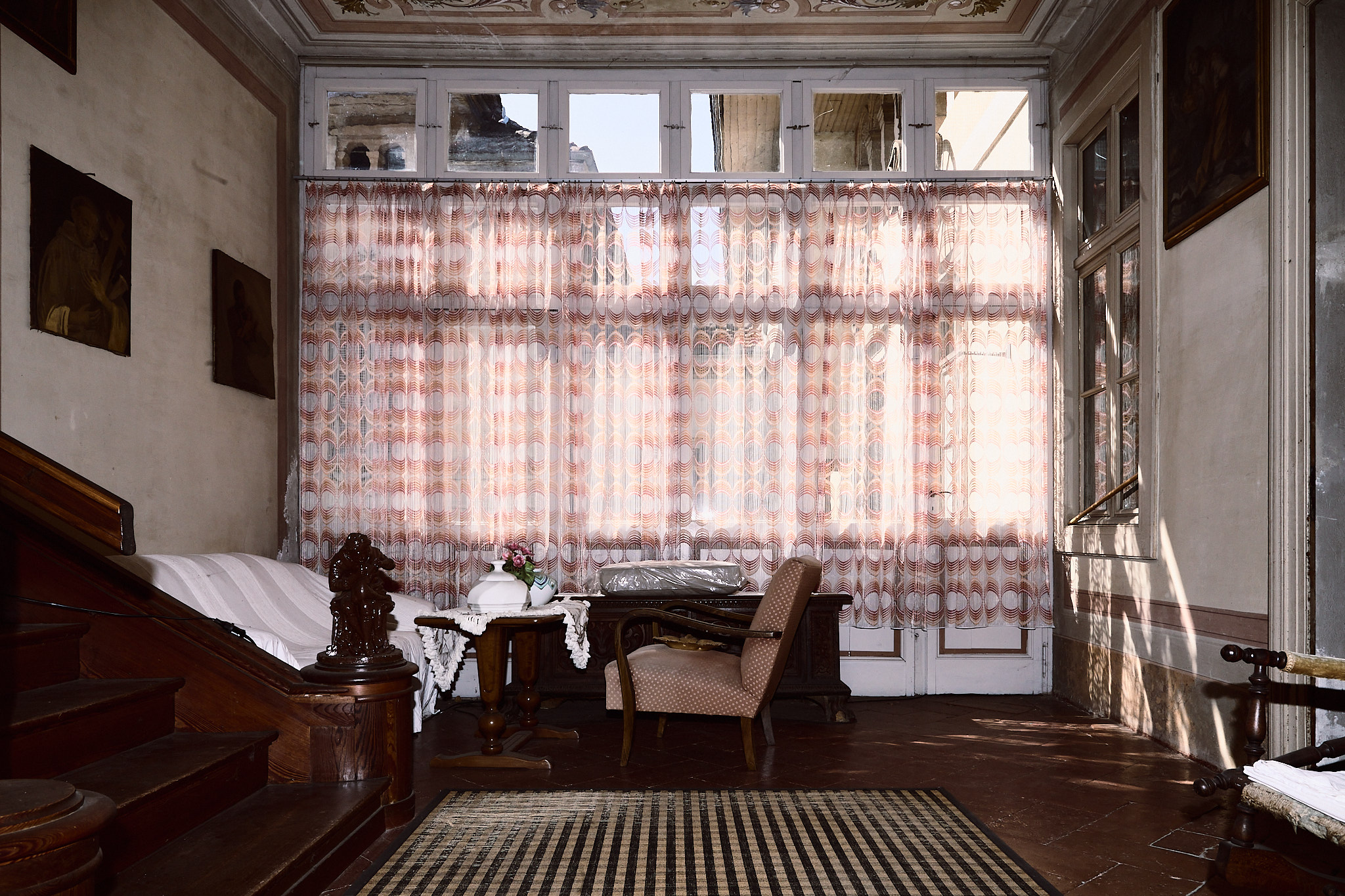
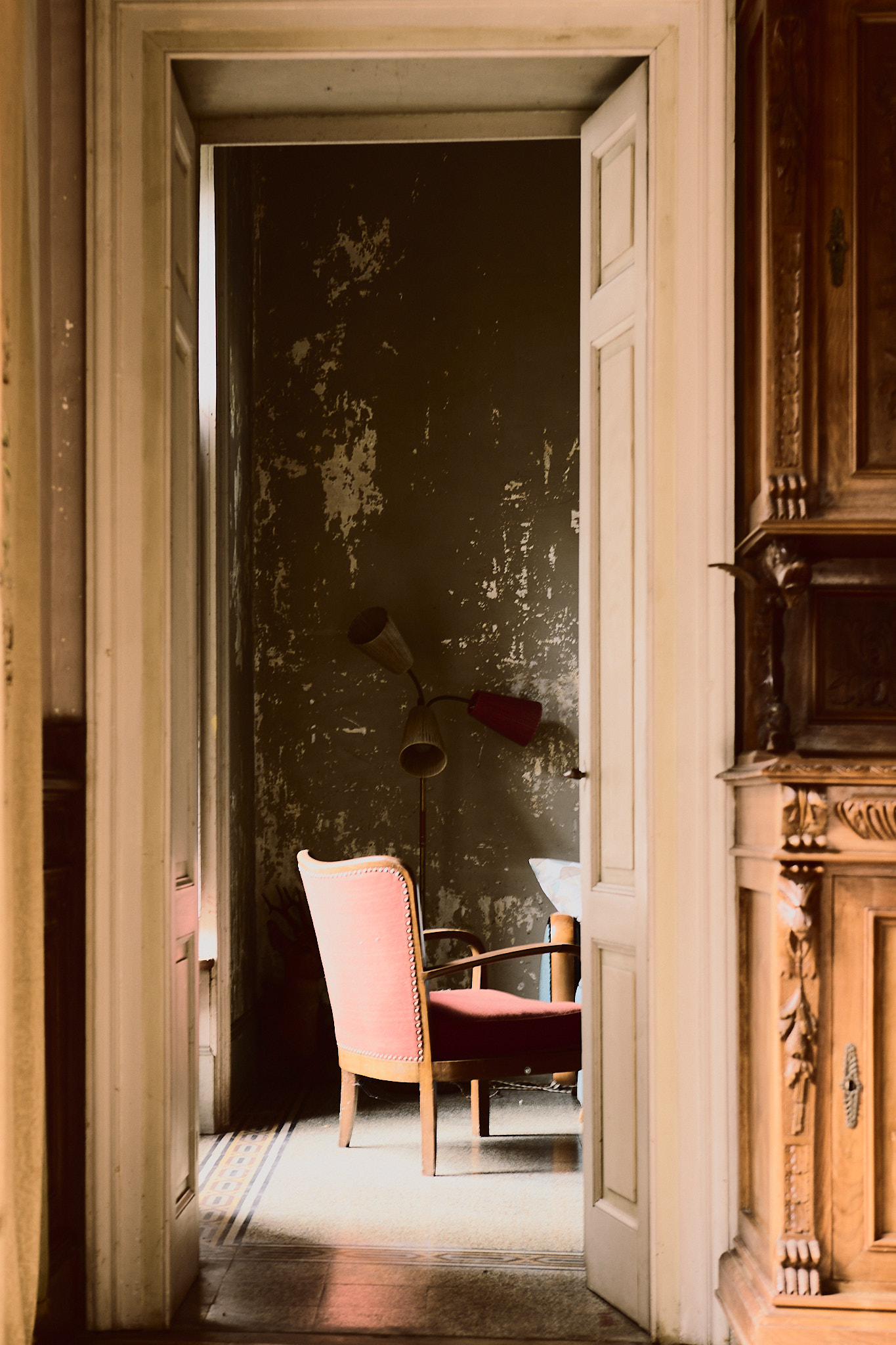
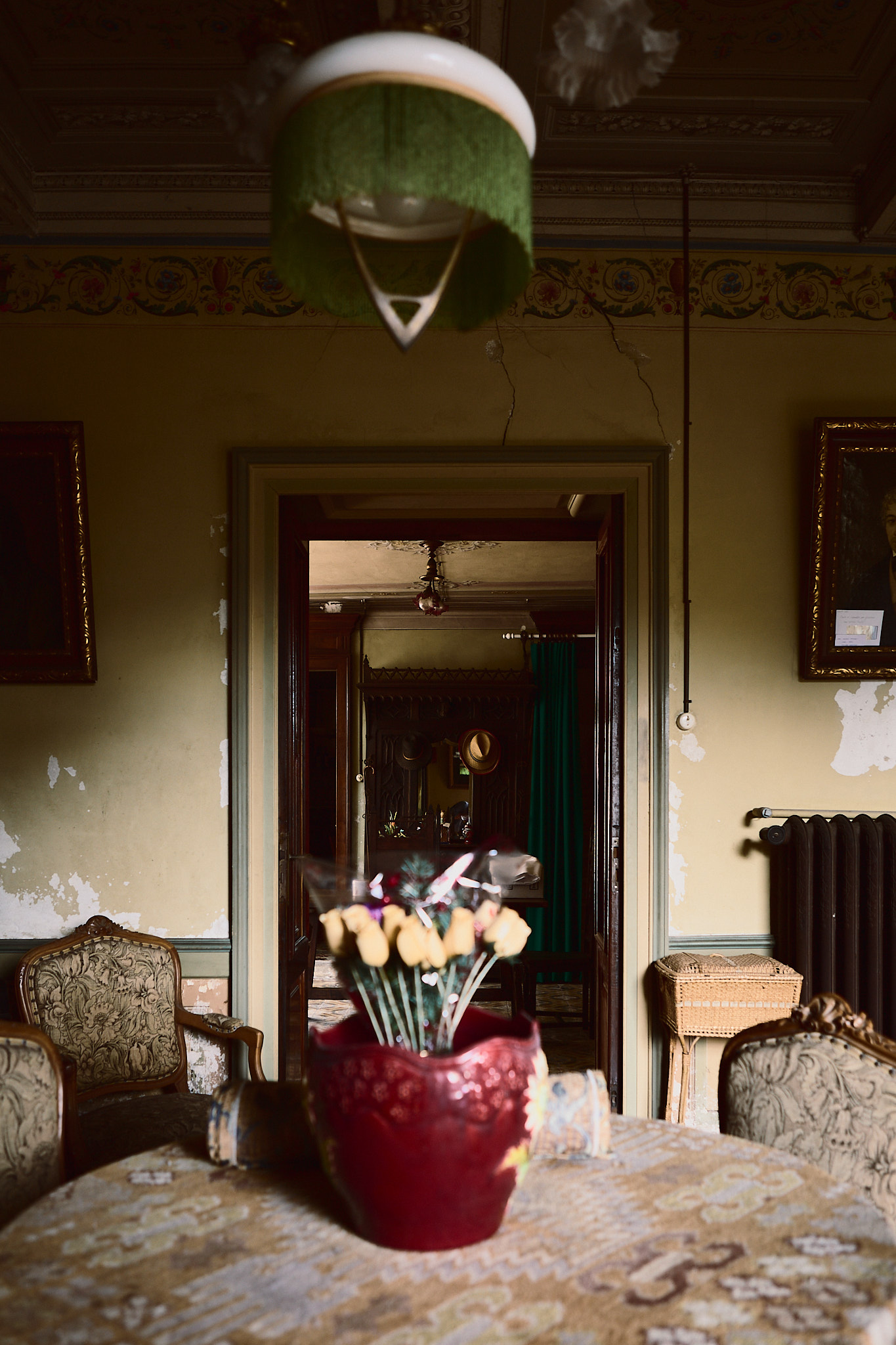
Nestled among the lush green hills of Canton Ticino, the Trefogli Castle—known locally as “ul castell”—is far more than a building: it is the symbol of a family saga interwoven with emigration, architectural genius, and a return to one’s roots. Originally a modest farm belonging to the Trefogli family, the complex was transformed in 1906 into a refined residential villa by the Ticinese architect Michele Trefogli (1838-1928), who infused it with his cosmopolitan style after three decades of successes across the ocean.
Michele Trefogli: From Ticino to Peru and Back
Son of Marco Antonio Trefogli, a stucco artist in the service of the Savoys in Turin, Michele was born in Torricella in 1838 and emigrated to Peru at the age of just 22, where he quickly established himself as one of Lima’s leading architects. From 1863, he oversaw the construction of the prestigious Bank of Peru, renovated the Government Palace (1865) with its grand hall featuring monumental stained-glass windows, and designed the San Carlos College (later the Faculty of Medicine at the University of San Marcos), the National Library, and the Dos de Mayo Hospital. He also created private residences for noble families such as the Paz Soldáns and Goyoneches, as well as the House of Charity and the Post Office House; he held the role of State Architect and head of municipal public works, leaving a lasting imprint on the Peruvian capital.
Around 1900, Michele returned to Switzerland, bringing with him the fortunes and knowledge he had accumulated. It was then that he devoted the final years of his life to the Trefogli Castle, renovating it with distinctive neo-Gothic elements, and to charitable works for the local community, such as donating a nursery to the municipality of Torricella-Taverne. This phase marks the culmination of an extraordinary human journey: from a humble Ticinese emigrant to a protagonist of South American architecture, and finally to a definitive anchoring in his native land.
A place that celebrates Ticinese roots and invites exploration of the most authentic Ticino.